
Septic System Maintenance: Top 3 Myths
Septic systems are easy to forget when everything seems to work fine. However, septic maintenance is one of the most important tasks for protecting your home and yard. Many homeowners rely on advice they have heard from neighbors or online forums, and not all of it is accurate. Weidner’s Septic Service Inc. is serving homeowners with dependable care and honest answers. If you have questions about septic maintenance, contact us today at (847) 438-1763 to schedule professional service before small concerns turn into costly repairs.
Myth 1: Additives Eliminate the Need for Pumping
One of the most common misconceptions about septic maintenance is that additives can replace routine pumping. Store shelves are filled with products that promise to boost bacteria and break down waste completely. While these additives may support natural processes inside the tank, they do not remove solid sludge.
Septic systems rely on anaerobic digestion, which means bacteria break down waste without oxygen. This process separates materials into layers, including a sludge layer that settles at the bottom. No matter how many additives are used, that sludge continues to build up over time.
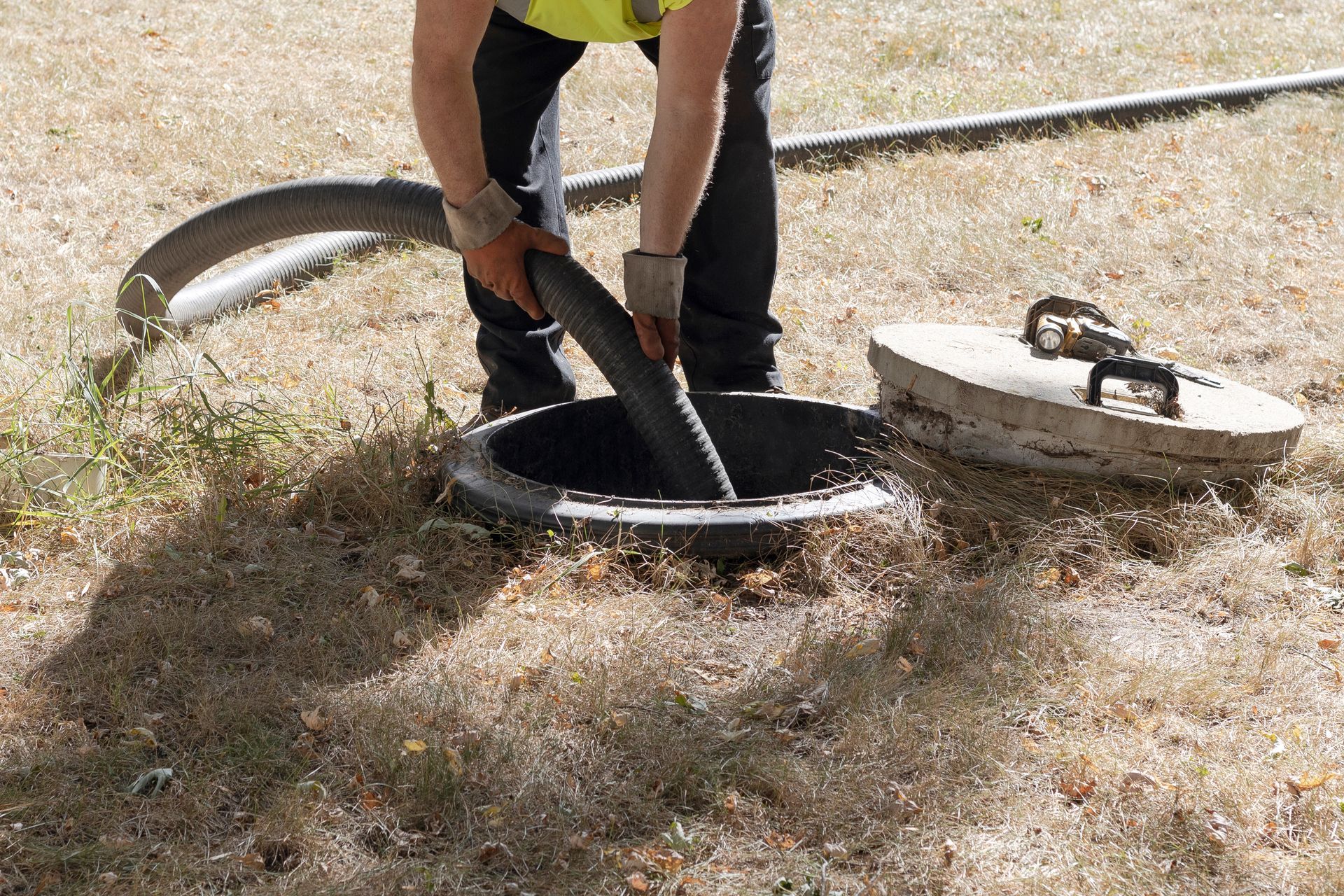
Septic system maintenance requires scheduled pumping because physical removal is the only way to clear accumulated solids. If sludge levels rise too high, waste can flow into the drain field and cause clogs or soil contamination. In colder climates, digestion slows during winter months, which makes regular septic maintenance even more important for system stability.
Myth 2: If Nothing Is Backing Up, Everything Is Fine
Another widespread belief is that problems only exist when wastewater backs up into sinks or tubs. In reality, waiting for a visible emergency often means the system has already been under stress for months. Septic maintenance is designed to prevent those emergencies, not respond to them.
Early warning signs can be subtle. You might notice slow drains, mild odors in the yard, or unusually green patches of grass above the drain field. These symptoms suggest that septic system maintenance may be overdue.
Cold weather patterns in northern Illinois also influence how systems perform. Lower soil temperatures can slow bacterial activity, allowing solids to accumulate more quickly. That is why septic maintenance should follow a proactive schedule rather than a reactive one. Regular inspections help identify rising sludge levels and worn components before serious damage occurs.

Myth 3: Septic Systems Take Care of Themselves
It is easy to assume that a septic system is a permanent, self-operating feature of your home. While these systems are built for durability, they still require attention and oversight. Consistent septic maintenance protects your investment and extends the life of the entire setup.
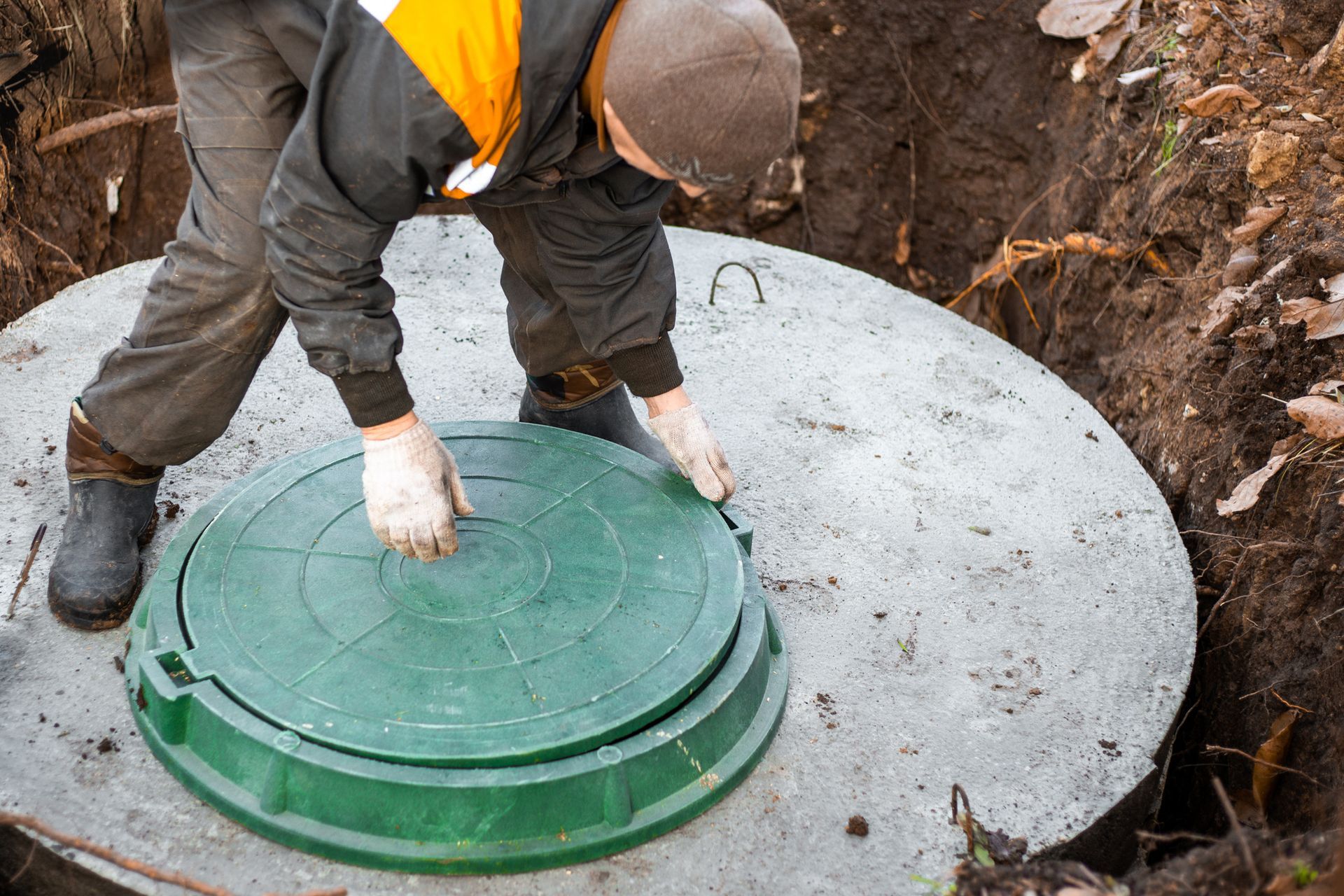
Septic system maintenance includes more than pumping the tank. Professionals inspect baffles, check lids, and evaluate how well wastewater moves through the system. Small cracks or damaged parts can allow solids to escape into the drain field, leading to costly repairs.
Daily household habits also play a role. Excessive water use from back-to-back laundry loads or long showers can overwhelm the tank. When too much water enters at once, solids do not have enough time to settle. Routine septic maintenance helps homeowners understand how water use affects long-term performance.
How Anaerobic Digestion Works in Northern Illinois
Understanding the science behind your system makes it easier to see why septic maintenance matters. Inside the tank, naturally occurring bacteria break down organic waste through anaerobic digestion. This process reduces solid volume but does not eliminate it entirely.
Over time, non-biodegradable materials and partially digested solids collect at the bottom of the tank. Septic system maintenance ensures that these materials are removed before they interfere with the drain field. If solids migrate beyond the tank, soil absorption becomes less effective and may require extensive restoration.
Seasonal temperature changes in this region can influence how efficiently bacteria function. During colder months, digestion slows, which can lead to faster sludge buildup. Scheduling septic maintenance, with an experienced provider helps address these regional factors and keeps your system operating smoothly year-round.
What Proper Care Should Include
A reliable service plan is tailored to your household size, water usage, and system age. Professional septic maintenance typically involves measuring sludge levels, pumping the tank as needed, and inspecting key components for wear.
Septic system maintenance also includes practical guidance. Homeowners benefit from learning what should never be flushed, how to conserve water, and when to schedule inspections. These simple habits reduce stress on the system and help avoid unexpected breakdowns.
Working with an experienced team ensures that service intervals match real-world conditions. Weidner’s Septic Service Inc. provides a focus on prevention and long-term reliability. Their knowledgeable technicians understand how local soil and climate patterns affect septic performance. Learn more about our professional septic system maintenance and explore available service options.
Protect Your Home With Preventive Service
Ignoring routine care can lead to unpleasant surprises and expensive repairs. Preventive septic maintenance is far more affordable than replacing a damaged drain field or repairing contaminated soil. Regular attention keeps wastewater contained, protects groundwater, and supports healthier property.
For dependable septic maintenance in Crystal Lake, IL, call us at
(847) 438-1763 or
send us a message today to speak with a knowledgeable team member and schedule your next appointment.